Our method

Cognitive grammar, conversation, and culture to learn Spanish with meaning

At The Spanish Mate you learn to understand the logic of Spanish so you can choose the right words and structures for each situation. That way, you'll be able to express your ideas clearly and communicate naturally and spontaneously, without overthinking every sentence.

Start with a class
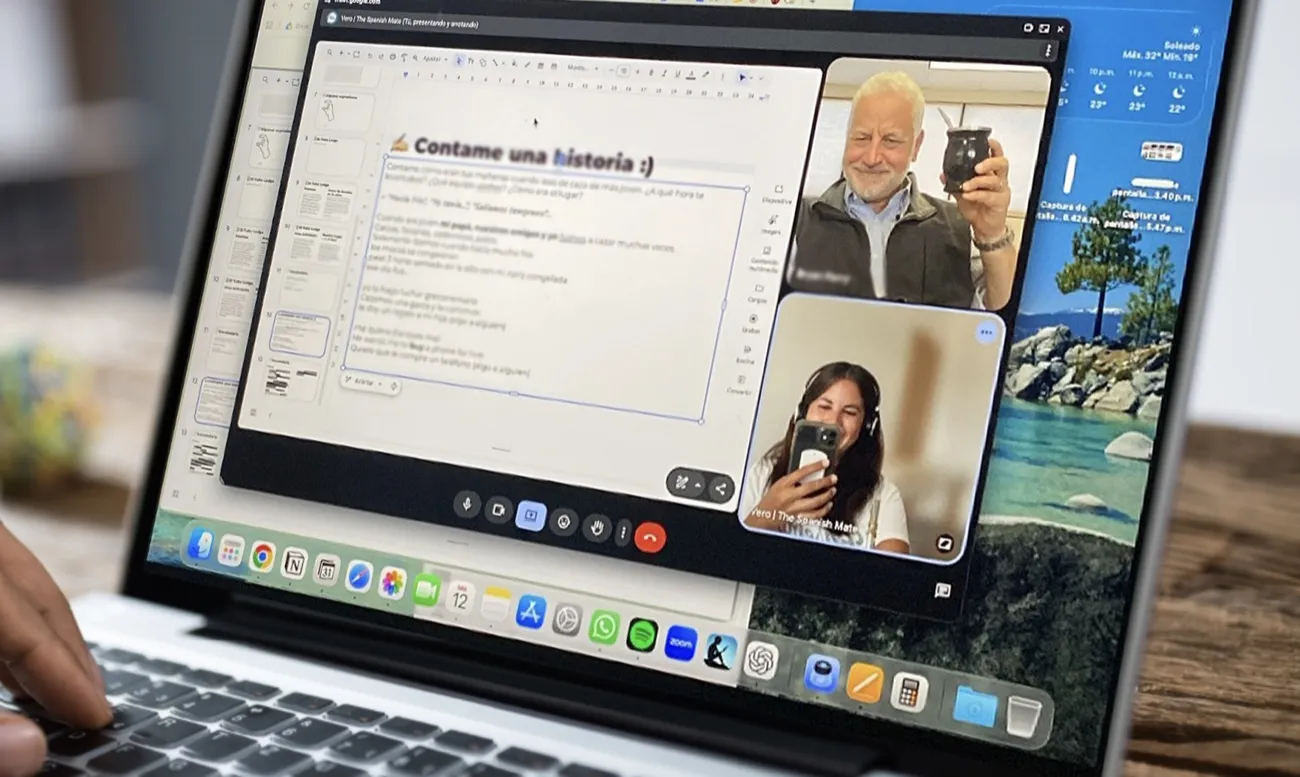
Live online Spanish class: the student's own story and the corrections, on a shared document

Examples

What this looks like in class

We make complex ideas simple: real examples, clear comparisons, and practice so you can bring them into your own Spanish.

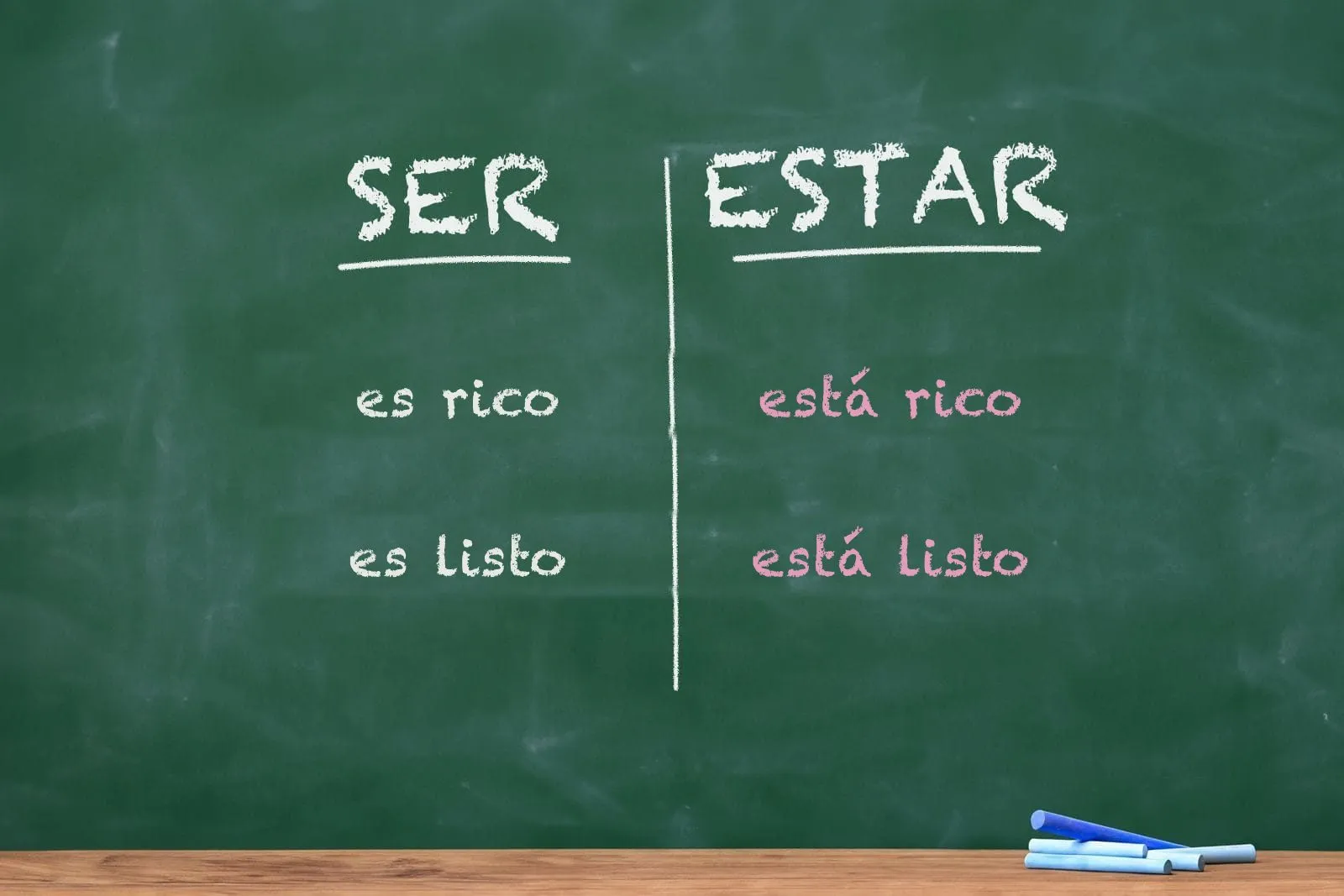
Ser and estar

Instead of reducing them to permanent or temporary, we look at how the speaker presents the information: as a characteristic, identity, state, result, or situation.

In class, we might compare:

Es tranquilo. / Está tranquilo. The difference is not only time: the perspective changes.

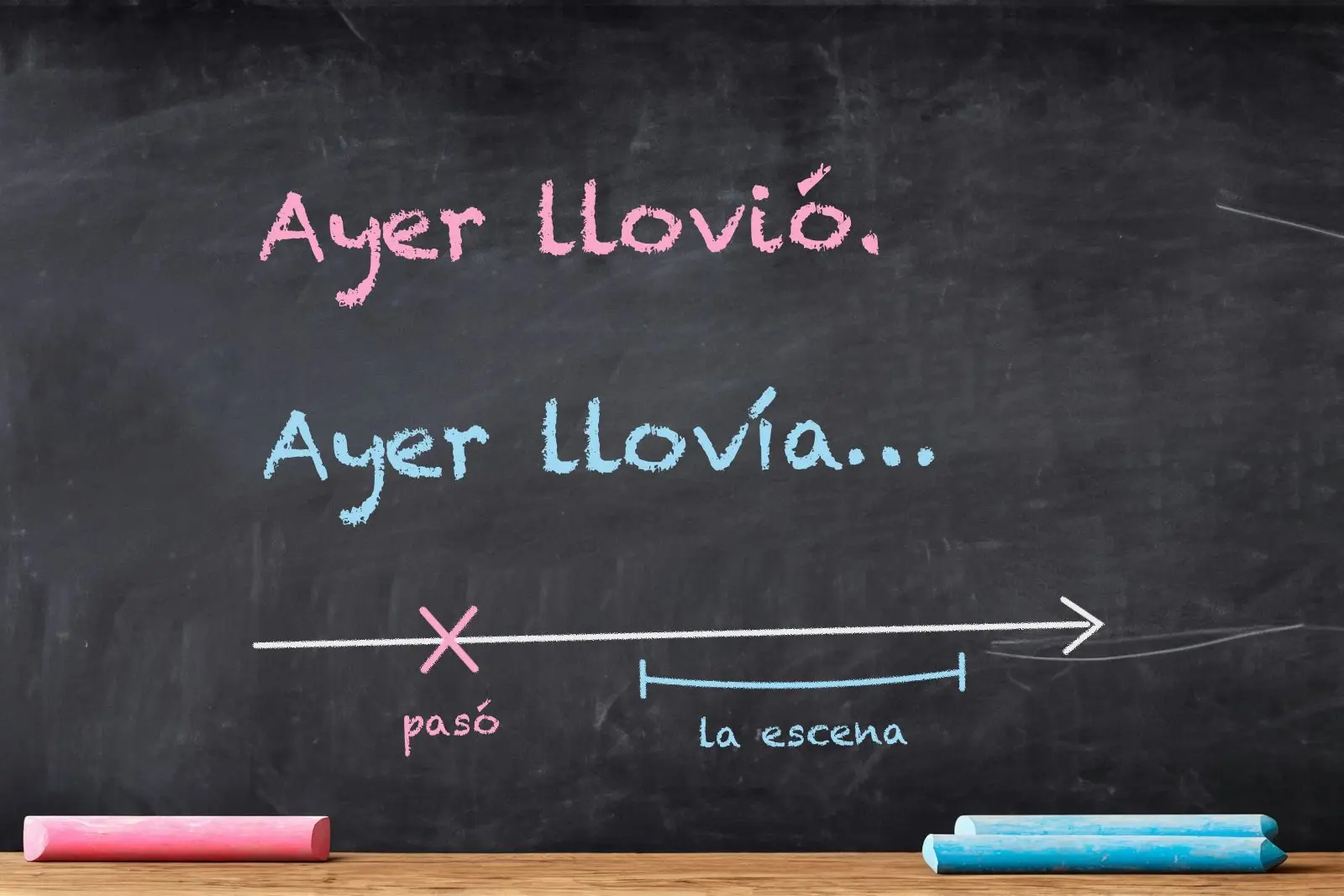
Past tenses

We do not study the past as a list of uses. We look at whether we are presenting an event as complete or entering the scene to describe it from the inside.

In class, we might compare:

Ayer llovió. / Ayer llovía. One sentence closes the event; the other opens the scene.

Subjunctive

It does not appear only because of doubt or emotion. We work on it as a way to present an idea through a different relationship with reality.

In class, we might compare:

Busco un lugar que tiene terraza. / Busco un lugar que tenga terraza.

Cognitive grammar

Grammar as a way to build meaning

We build on cognitive and operative grammar applied to Spanish teaching, with references such as José Plácido Ruiz Campillo, to look at language forms together with the meanings they create. In class, we do not only ask which rule to apply, but what you want to say, what perspective you are using, and what effect each choice creates.

Meaning

Each structure communicates a way of looking at reality. We learn to recognize that value.

Context

We work with full sentences, stories, and situations, not isolated examples.

Use

Every explanation comes back to conversation so you can practice and make better choices.
The journey

Where are you in your Spanish?

Tap your level and see how far you've come and what's left to reach C2.

See the full journey

Questions about the method

Clear, practical, and useful from class one

The method has a serious foundation, but the class is designed for students: understandable explanations, real examples, and guided use.

What is cognitive grammar for learning Spanish?+

It is a way of looking at grammar through meaning: what each form expresses, how context changes the choice, and why we choose one structure instead of another.

Is it hard to understand?+

No. We explain it in simple words and with everyday examples, like the ones above. You don't need technical terms to understand what you want to say and how to say it.

Can beginners learn with this method?+

Yes. The approach works from the first levels because it helps you understand what you are saying instead of memorizing isolated forms.

How does this connect with conversation?+

Every explanation goes back to use: guided examples, questions, correction, and conversation so you can bring the structure into your own Spanish.

Try a class with this approach

The best way to understand the method is to see it in action with your own questions, goals, and conversations.

Book a private class